
Red Crescent Delegation Concludes Humanitarian Mission in Uzbekistan
The Emirates Red Crescent delegation to Uzbekistan concluded its humanitarian mission to assist Kyrgyz refugees of Uzbek origin. After visiting the camps and providing humanitarian aid, the delegation returned to the UAE.
Dr. Saleh Al-Taei, Deputy Secretary-General of the Emirates Red Crescent for Relief and Projects Affairs, stated that His Highness Sheikh Hamdan bin Zayed Al Nahyan, Ruler’s Representative in the Al Dhafra Region and Chairman of the Emirates Red Crescent, closely followed the conditions of the refugees in Uzbekistan and the humanitarian mission of the delegation, which assessed the situation in the camps housing those displaced by recent events in Kyrgyzstan.
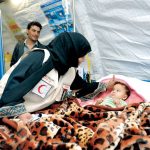
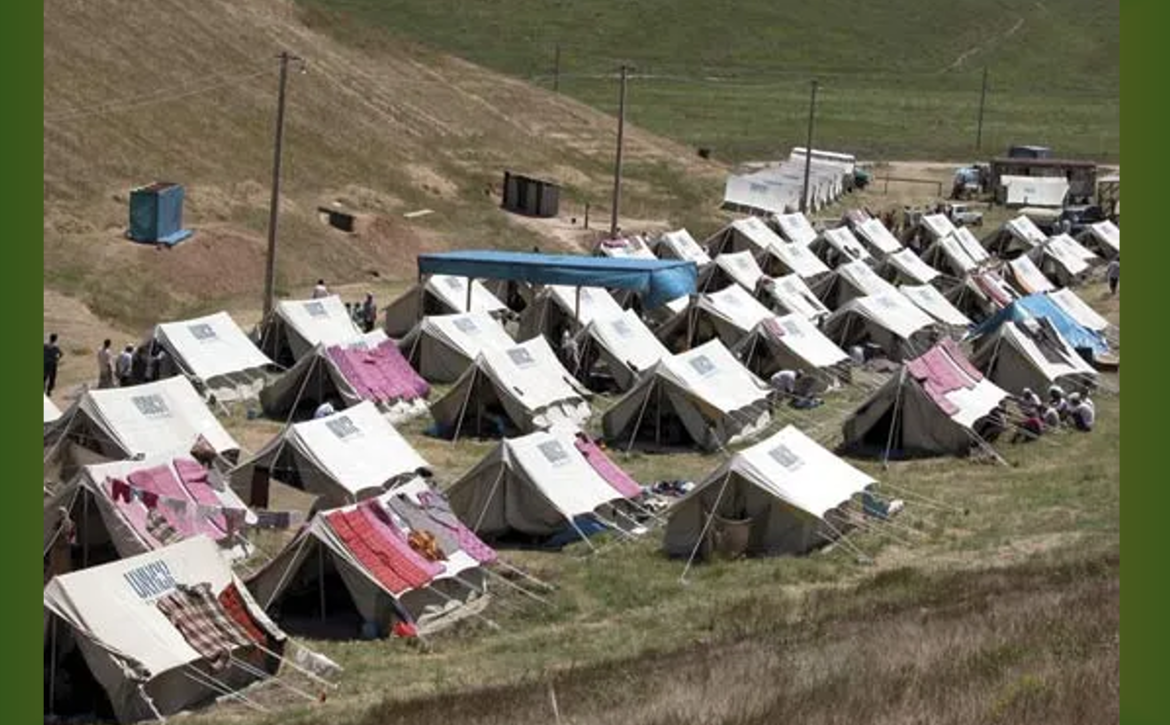
The Emirates Red Crescent, the first organization to reach the refugee camps, evaluated the conditions on the ground. Accompanied by Uzbekistan’s Minister of Health, the delegation visited hospitals and camps to identify urgent needs. After discovering that health conditions among the refugees—particularly women and children—were dire, immediate assistance, including medicine, was provided. The region hosts approximately 400,000 displaced persons and refugees.
The delegation, led by Dr. Saleh Al-Taei, held meetings with Uzbek officials and representatives of international relief organizations. During these meetings, the delegation requested that the UNHCR prepare a comprehensive project to support children and women in the camps, with the possibility of utilizing the “Sheikha Fatima bint Mubarak Fund for Refugee Women and Children.”
UNHCR representatives praised the attention and support provided by Her Highness Sheikha Fatima bint Mubarak, Chairwoman of the General Women’s Union, to refugee women, describing the fund’s contribution as crucial in alleviating the suffering of refugees, especially women and children.
The delegation also met with representatives from UNICEF, the World Health Organization (WHO), the International Federation of Red Cross and Red Crescent Societies, and the International Committee of the Red Cross in the presence of a senior official from the Uzbek Ministry of Foreign Affairs responsible for the Kyrgyz refugees of Uzbek origin.
Dr. Al-Taei noted that representatives of these organizations commended the Emirates Red Crescent for dispatching a team to Uzbekistan to support refugees and assess their needs. UNICEF representatives emphasized the critical needs of children and women, who comprise more than 90% of the displaced population. Key priorities included:
Psychological Support: Establishing specialized centers in the form of tented facilities equipped with educational and recreational materials to provide psychological support for children affected by violence and displacement.
Access to Clean Water: Provide treated drinking water and increase the number of water vehicles that supply camp water tanks.
Health and Hygiene Supplies: Health materials for women and children are supplied, and schools are opened within the camps.
Dr. Al-Taei referred to previous agreements between the Emirates Red Crescent and UNICEF on collaborative efforts in disaster-affected areas, including the tsunami response, Palestine, and Iraq. He requested that UNICEF submit its proposed programs through its Dubai office.
WHO representatives highlighted the importance of vaccinating children in the camps, noting that the organization, in collaboration with the Uzbek Ministry of Health, oversees the vaccination of thousands of children. However, additional vaccines may be required if the camps remain operational beyond Ramadan. The current supply of medicines is sufficient for three months.
During its visit, the delegation toured the camps, met with refugees, and arranged with local suppliers to provide drinking water continuously to seven camps for three months. Refugees expressed gratitude for the Emirates Red Crescent’s humanitarian aid and praised the UAE’s global humanitarian initiatives.
The delegation also visited the main government hospital in Andijan, Uzbekistan, where they met injured refugees affected by the recent events in Kyrgyzstan. The patients appreciated the visit, considering it a meaningful humanitarian gesture.
Uzbekistan’s Minister of Health, Adkham Ikramov, commended the UAE’s humanitarian efforts, highlighting that it was the first country to send a humanitarian mission to Uzbekistan to assess refugee conditions and provide assistance.
After evaluating the refugees’ health needs, the delegation provided $120,000 medicines to the Uzbek Ministry of Health to support patients and injured refugees. The medicines urgently purchased from the local market included infant formula, antibiotics, and wound care supplies. Similar quantities of medicine were delivered to Professor Rahimov, head of the Uzbek Red Crescent, who expressed his gratitude for this UAE humanitarian initiative.
Plans are underway to send additional medical supplies and clothing to Uzbekistan through the Dubai-based logistics office of the International Federation of Red Cross and Red Crescent Societies.